Skip to Content
  • Toolkit
  • Transportation
  • Oct 22, 2026

    Advancing Clean Transportation Projects

    Explore practical strategies, best practices and case studies for planning and implementing clean transportation projects, including electric vehicles, e-bike programs and charging infrastructure, with a focus on improving mobility, reducing costs and expanding transportation access in underserved communities.

    Managed Charging Programs for EVs Resource Library

    Managed Charging Programs for EVs Resource Library

    Fleet operators can benefit greatly from electrification, including through lower fueling and maintenance costs. Fueling costs can be lowered further with managed charging programs that incentivize charging at times when the electricity grid is less stressed, putting downward pressure on rates for all utility customers by making better use of existing grid infrastructure. This resource is intended for fleet managers and provides information on the basics of managed charging programs, examples from New York utilities, estimates of potential electricity bill savings, and guidance for electric bus fleets. 
    Guide to Community Engagement Plans

    Guide to Community Engagement Plans

    Community engagement plans (CEPs) describe how a project team will engage with the local community, ensuring that the project has community buy-in and meets the community’s needs. CEPs may be required by funders. This resource documents the steps to developing, implementing, and updating a CEP as a clean mobility project progresses. The guide provides case studies and best practices for community engagement, toolkits that serve as a CEP template, and a demographic analysis tool. While based on experiences in New York, it is informed by nationwide best practices and applicable to other states. 

    E-Bike Library Case Study

    E-Bike Library Case Study

    Electric bike libraries let people borrow e-bikes and cargo bikes for a few days or up to a full week for free or at a low cost. This case study highlights a project from the east side of Buffalo, New York, a community that has experienced historic disinvestment, and provides insights for those who are hoping to establish their own library. The resource includes links to libraries in other communities, highlighting a variety of operating models and approaches.  

    Employer-Led Clean Mobility Guide

    Employer-Led Clean Mobility Guide

    Employers can play a major role in encouraging employees to change their commuting habits. Employer incentive and education programs, often called transportation demand management (TDM), encourage employees to take transit, carpool, or bike to work, reducing congestion and local air pollution. TDM programs can help employers meet climate goals while also improving employee satisfaction and retention. This resource highlights two successful TDM programs in Buffalo, New York, but provides insights for employers nationwide. It also includes step-by-step instructions for employers to develop a robust TDM program. 

    E-Bike Charging Safety Resource Library

    E-Bike Charging Safety Resource Library

    E-bikes are an increasingly popular mobility option and have proliferated in cities nationwide. However, many communities have safety concerns about e-bike charging, and this resource library provides information and guidance to address safety issues. It is intended for regulators, e-bike users, and program implementers of shared e-bike programs. The library draws on resources from New York, but it is applicable to communities nationwide and includes information on e-bike battery recycling.

    EV Charging Interconnection Process Guide

    EV Charging Interconnection Process Guide

    Interconnection is the process of connecting a new load, like EV charging infrastructure, to the electricity grid. It is a critical step for many projects, but navigating the process can be challenging even for experienced project teams. This resource provides a step-by-step guide to working with utilities to install EV chargers. Though specific to New York-based utilities, the steps and insights are generally applicable to utilities nationwide. This guide is intended for project managers, including electric vehicle fleet managers, who will have to navigate a utility interconnection process.  

    Bikeshare Operations Resource Library

    Bikeshare Operations Resource Library

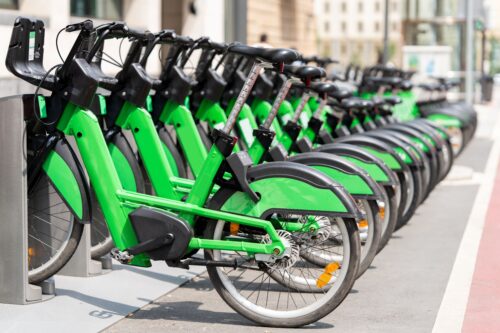
    Bikeshare programs provide an affordable, on-demand mobility option for many communities and are increasingly commonplace nationwide. Bikeshare systems typically deploy a fleet of bikes across a defined service territory and allow users to rent bikes for short periods of time and return the bike to a docking station or anywhere within the territory. Many communities can benefit from bikeshare, especially communities that lack other affordable, clean mobility options. This resource library provides program implementers, regulators, and operators with best practices for launching, operating, and scaling successful bikeshare systems.  

    Related Resources

    Maximizing State Transportation Investments: How Redirecting Spending from Highway Expansion to Public Transit Supports Economies and Communities
    City-bus-public-transit
  • Research Report
  • Energy Efficiency Policy
  • Transportation
  • Maximizing State Transportation Investments: How Redirecting Spending from Highway Expansion to Public Transit Supports Economies and Communities

    Costs to deliver transportation projects have risen drastically in recent years. To avoid wasteful spending, each new dollar invested in transportation infrastructur…

    May 13, 2026

    Support the Work That Makes Energy Go Further

    ACEEE’s independent research and advocacy depend on the support of foundations, businesses, and individuals committed to cutting energy bills, waste, and climate pollution.
