ACEEE | American Council for an Energy-Efficient Economy
Nov 4, 2024
Transforming Texas: How Heat Pumps Can Replace Electric Resistance Heat, Reducing Costs and Winter Power Peaks
Over 25% of Texas households are heated and cooled by central air-conditioning systems with electric resistance coils that distribute warm air via ducts and registers. These systems are a major con…
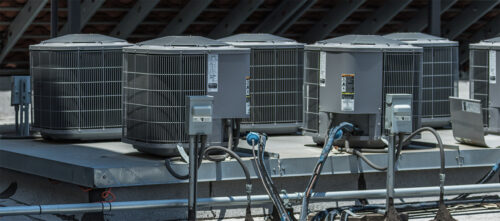
Over 25% of Texas households are heated and cooled by central air-conditioning systems with electric resistance coils that distribute warm air via ducts and registers. These systems are a major contributor to winter peak electric demand. While power demand in Texas generally peaks on hot summer days, winter peaks during cold fronts can be just as large.
Heat pumps are a cost-effective alternative to electric resistance heat: they cut energy use, energy bills, and peak demand roughly in half. Homes and apartments can be upgraded with high-efficiency heat pumps when the existing central air-conditioning unit and heating coils need replacement.
This study uses a sample of more than 350 Texas homes that use electricity as their primary heat source. Installing a heat pump instead of a central air conditioner with electric resistance coils increases costs by $391 for new construction and $697 when replacing an existing central air conditioner, a cost increase of 5% to 21% depending on air conditioner size. We estimate that 15 years after existing equipment has been replaced, 15 years being its typical lifespan, Texas would see these benefits:
Electricity savings could total almost 7 billion kWh (equivalent to the annual electricity use of over 660,000 average American homes).
Winter peak demand savings could total about 12,000 MW (equivalent to the power output of about 40 new gas-fired power plants of 300 MW each).
There would be a benefit-cost ratio of about 9:1 over the equipment lifetime.
Bridging the Equity Gap for Utility Energy Efficiency Programs
Utility energy efficiency programs have increased investment in low-income households, but significant gaps remain. This report examines spending and savings trends across 48 major U.S. utilities, identifies barriers to expanding low-income programs and highlights policies and program strategies that can improve energy affordability and equitable access to efficiency upgrades.
Efficiency Saves: Cutting Energy Waste Can Save $31,000 per Household
The United States faces interlocking energy challenges: rising home energy bills and gasoline prices; new demand for electricity from data centers and other loads; high greenhouse gas emissions from burning fossil fuels.
Now, a new era of energy efficiency progress in our buildings, transportation, and industry is needed to meet this moment. This wide-ranging study finds a massive opportunity.
Home Energy Reports and Beyond: Meeting the Moment with Behavior-Based Energy Efficiency
Home energy report programs, in which utilities provide households with personalized insights into their energy use and tips to lower their bills, are a…
Support the Work That Makes Energy Go Further
ACEEE’s independent research and advocacy depend on the support of foundations, businesses, and individuals committed to cutting energy bills, waste, and climate pollution.