ACEEE | American Council for an Energy-Efficient Economy
May 23, 2023
Toward More Equitable Energy Efficiency Programs for Underserved Households
Despite decades of growth in energy efficiency program availability for residential utility customers, some types of customers and communities remain underserved, including those who are low and mo…
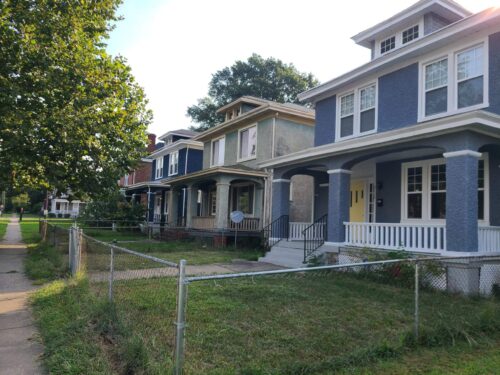
Despite decades of growth in energy efficiency program availability for residential utility customers, some types of customers and communities remain underserved, including those who are low and moderate income (LMI), renters, Black, Latino/a, rural, tribal, and non-English speakers. This inequity results in some customers being unable to take advantage of program services and incentives to reap the multiple benefits of improved energy efficiency. This report examines emerging program approaches that utilities and other program administrators can use to help overcome these barriers and thus better serve previously underserved customers. Such approaches include engagement with community-based organizations, expansion of existing programs to be more comprehensive, and offering more flexible shopping and purchase options.
Bridging the Equity Gap for Utility Energy Efficiency Programs
Utility energy efficiency programs have increased investment in low-income households, but significant gaps remain. This report examines spending and savings trends across 48 major U.S. utilities, identifies barriers to expanding low-income programs and highlights policies and program strategies that can improve energy affordability and equitable access to efficiency upgrades.
Efficiency Saves: Cutting Energy Waste Can Save $31,000 per Household
The United States faces interlocking energy challenges: rising home energy bills and gasoline prices; new demand for electricity from data centers and other loads; high greenhouse gas emissions from burning fossil fuels.
Now, a new era of energy efficiency progress in our buildings, transportation, and industry is needed to meet this moment. This wide-ranging study finds a massive opportunity.
Home Energy Reports and Beyond: Meeting the Moment with Behavior-Based Energy Efficiency
Home energy report programs, in which utilities provide households with personalized insights into their energy use and tips to lower their bills, are a…
Support the Work That Makes Energy Go Further
ACEEE’s independent research and advocacy depend on the support of foundations, businesses, and individuals committed to cutting energy bills, waste, and climate pollution.