ACEEE | American Council for an Energy-Efficient Economy
Dec 12, 2022
Notice of Intent and Request for Information Regarding Establishment of a Program to Use Defense Production Act to Support Electric Heat Pump Manufacturing and Deployment
Heat pumps have the potential to significantly accelerate decarbonization of the industrial sector through the electrification of process heating and cooling. While heat pump technologies for resid…
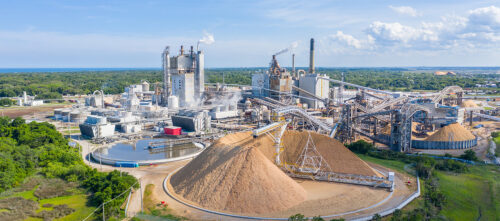
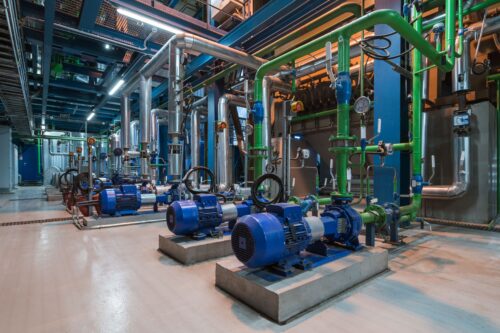
Heat pumps have the potential to significantly accelerate decarbonization of the industrial sector through the electrification of process heating and cooling. While heat pump technologies for residential and commercial uses have received some attention, the potential use of heat pumps in industry—and the associated energy and greenhouse gas (GHG) savings—is underappreciated and underexplored. Industrial process heat accounts for as much as 51% of on-site industrial energy use. Across all manufacturing, process heating is responsible for almost 300 million metric tons of onsite CO2e emissions. Electricity currently provides less than 5% of that heat. ACEEE research has found that industrial IHPs can reduce the energy use associated with industrial process heat by up to 518 TBtus and enable CO2e savings of between 30-43 million tons per year, which is equivalent to the emissions from 6.5–9.2 million gasoline-powered passenger vehicles driven for one year.1
Toward Best Practices for Industrial Innovation: Lessons from the Department of Energy’s Industrial Demonstrations Program
This paper highlights a central lesson for policymakers: Industrial innovation requires alignment across government programs (grants, procurement), financing mechanisms (tax credits, loans), and institutional capacity. When these three are backed by sustained commitment from the public sector, private industry, and external stakeholders, the transition from demonstration to deployment becomes viable.
This report identifies pathways for India’s cement industry to decarbonise at a pace compatible with the national climate goal of net-zero emissions by 2070.
Industrial Rate Impacts on Electrification Projects in Illinois and Michigan
New study points to rate structure reforms, supportive programs
Support the Work That Makes Energy Go Further
ACEEE’s independent research and advocacy depend on the support of foundations, businesses, and individuals committed to cutting energy bills, waste, and climate pollution.