ACEEE | American Council for an Energy-Efficient Economy
Oct 25, 2022
Ready to Upgrade: Barriers and Strategies for Residential Electrification
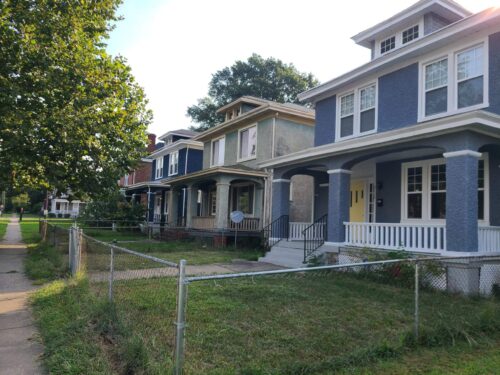
In order to effectively address climate change, we need to stop burning fossil fuels in all sectors, including inside our homes and buildings. This report analyzes how residential single- and multi…
In order to effectively address climate change, we need to stop burning fossil fuels in all sectors, including inside our homes and buildings. This report analyzes how residential single- and multifamily buildings can transition from fossil fuel-based heating, hot water, cooking, and other end uses to energy-efficient electric heat pumps and other technologies that will dramatically improve home energy efficiency. Based on interviews with program implementers and electrification experts, we examine technology, whole-building, and market-based barriers to achieving whole-building decarbonization in residential homes. We identify programs and strategies that are addressing these barriers and offer recommendations to scale up residential building electrification as a climate solution.
Bridging the Equity Gap for Utility Energy Efficiency Programs
Utility energy efficiency programs have increased investment in low-income households, but significant gaps remain. This report examines spending and savings trends across 48 major U.S. utilities, identifies barriers to expanding low-income programs and highlights policies and program strategies that can improve energy affordability and equitable access to efficiency upgrades.
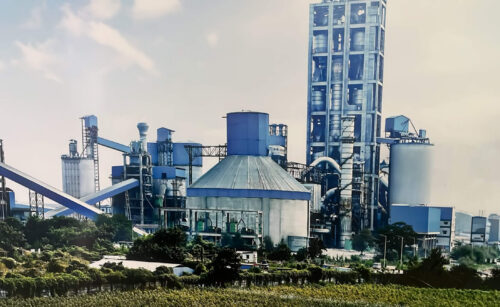
This report identifies pathways for India’s cement industry to decarbonise at a pace compatible with the national climate goal of net-zero emissions by 2070.
Efficiency Saves: Cutting Energy Waste Can Save $31,000 per Household
The United States faces interlocking energy challenges: rising home energy bills and gasoline prices; new demand for electricity from data centers and other loads; high greenhouse gas emissions from burning fossil fuels.
Now, a new era of energy efficiency progress in our buildings, transportation, and industry is needed to meet this moment. This wide-ranging study finds a massive opportunity.
Support the Work That Makes Energy Go Further
ACEEE’s independent research and advocacy depend on the support of foundations, businesses, and individuals committed to cutting energy bills, waste, and climate pollution.
Bastian, Hannah, and Charlotte Cohn. 2022. Ready to Upgrade: Barriers and Strategies for Residential Electrification. Washington, DC: ACEEE. aceee.org/resource/b2206