ACEEE | American Council for an Energy-Efficient Economy
Jul 27, 2022
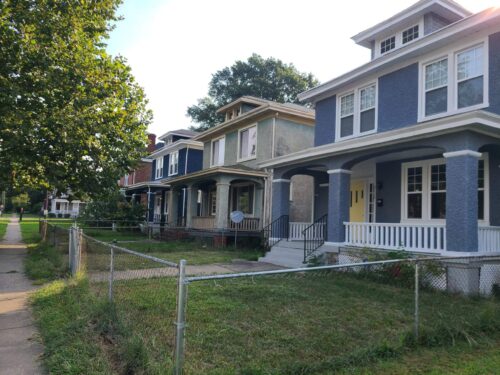
Analysis of Electric and Gas Decarbonization Options for Homes and Apartments
As climate change intensifies, many states and utilities are making long-term commitments to reduce planet-warming emissions. With buildings responsible for about one-third of these emissions, some…
As climate change intensifies, many states and utilities are making long-term commitments to reduce planet-warming emissions. With buildings responsible for about one-third of these emissions, some stakeholders advocate for full electrification of homes. Others tout opportunities to use clean fuels, such as biogas and hydrogen, or gas-driven heat pumps. This paper reports the results of a home-by-home analysis of several thousand homes across the United States, looking at decarbonization options for space and water heating.
We find that electric heat pumps generally offer the cheapest way to cleanly heat and cool single-family homes in all but the coldest parts of the United States in coming decades. In very cold places, electric heat pumps with an alternative fuel backup for frigid periods (below 5°F) often minimize life-cycle energy and equipment costs.
Bridging the Equity Gap for Utility Energy Efficiency Programs
Utility energy efficiency programs have increased investment in low-income households, but significant gaps remain. This report examines spending and savings trends across 48 major U.S. utilities, identifies barriers to expanding low-income programs and highlights policies and program strategies that can improve energy affordability and equitable access to efficiency upgrades.
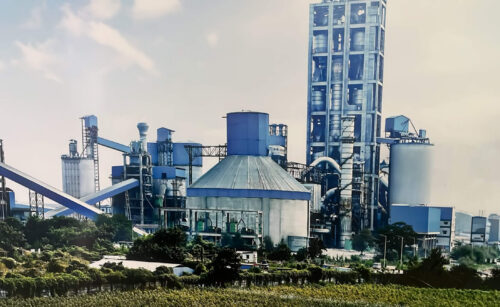
This report identifies pathways for India’s cement industry to decarbonise at a pace compatible with the national climate goal of net-zero emissions by 2070.
Efficiency Saves: Cutting Energy Waste Can Save $31,000 per Household
The United States faces interlocking energy challenges: rising home energy bills and gasoline prices; new demand for electricity from data centers and other loads; high greenhouse gas emissions from burning fossil fuels.
Now, a new era of energy efficiency progress in our buildings, transportation, and industry is needed to meet this moment. This wide-ranging study finds a massive opportunity.
Support the Work That Makes Energy Go Further
ACEEE’s independent research and advocacy depend on the support of foundations, businesses, and individuals committed to cutting energy bills, waste, and climate pollution.
Nadel, Steven, and Lyla Fadali. 2022. Analysis of Electric and Gas Decarbonization Options for Homes and Apartments. Washington, DC: ACEEE. aceee.org/resource/b2205