ACEEE | American Council for an Energy-Efficient Economy
Jul 19, 2017
Natural Gas Energy Efficiency: Progress and Opportunities
Natural gas efficiency efforts generally receive less attention than programs to save electricity. To help rectify this imbalance, this report surveys natural gas efficiency trends and looks ahead …
Natural Gas Energy Efficiency: Progress and Opportunities
Complete the form to access this resource.
Natural gas efficiency efforts generally receive less attention than programs to save electricity. To help rectify this imbalance, this report surveys natural gas efficiency trends and looks ahead at issues and opportunities. We begin by discussing past efficiency progress including the contribution of new technologies, price effects, building codes, appliance and equipment efficiency standards, and utility-funded energy efficiency programs. Looking forward, we find that despite the current low price of natural gas, substantial cost-effective natural gas savings are still available. Finally, we discuss several other efficiency-related opportunities for natural gas including combined heat and power (CHP), transportation fuels, coordination with electric and water utilities, and fuel switching.
Toward Best Practices for Industrial Innovation: Lessons from the Department of Energy’s Industrial Demonstrations Program
This paper highlights a central lesson for policymakers: Industrial innovation requires alignment across government programs (grants, procurement), financing mechanisms (tax credits, loans), and institutional capacity. When these three are backed by sustained commitment from the public sector, private industry, and external stakeholders, the transition from demonstration to deployment becomes viable.
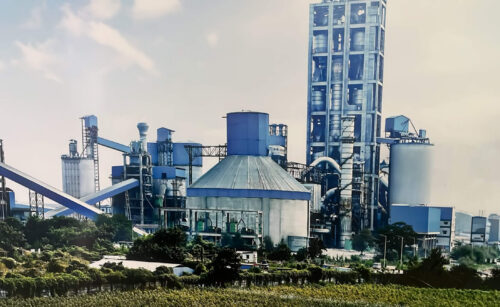
This report identifies pathways for India’s cement industry to decarbonise at a pace compatible with the national climate goal of net-zero emissions by 2070.
Industrial Rate Impacts on Electrification Projects in Illinois and Michigan
New study points to rate structure reforms, supportive programs
Support the Work That Makes Energy Go Further
ACEEE’s independent research and advocacy depend on the support of foundations, businesses, and individuals committed to cutting energy bills, waste, and climate pollution.