ACEEE | American Council for an Energy-Efficient Economy
Oct 3, 2013
Saving Water and Energy Together: Helping Utilities Build Better Programs
Water and energy are inherently linked, intersecting at both the supply side (electric generation and water/wastewater facilities) and the end-use side (residential, commercial, industrial, and agr…
Saving Water and Energy Together: Helping Utilities Build Better Programs
Complete the form to access this resource.
Water and energy are inherently linked, intersecting at both the supply side (electric generation and water/wastewater facilities) and the end-use side (residential, commercial, industrial, and agriculture sectors). This intersection is commonly called the “energy-water nexus.” The water-energy linkage means that efficiency programs operated by a water utility will benefit an energy utility and vice versa. Some energy efficiency programs have begun to address and account for water savings, and conversely some water programs have begun to account for energy savings impacts, but this has occurred only in a patchwork of programs across the country. Greater efficiency could be gained from recognition of the energy-water nexus in program delivery and accounting practices and better understanding and coordination between the two communities. This report provides recommendations on program models and frameworks that utilities can use to save both water and energy.
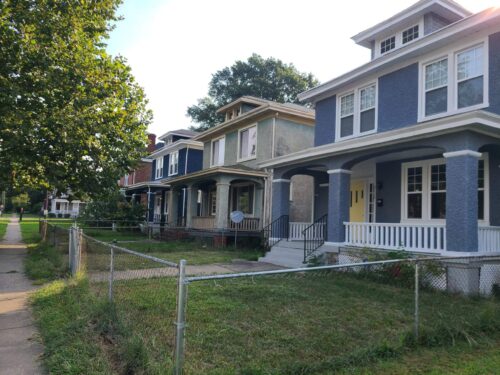
Bridging the Equity Gap for Utility Energy Efficiency Programs
Utility energy efficiency programs have increased investment in low-income households, but significant gaps remain. This report examines spending and savings trends across 48 major U.S. utilities, identifies barriers to expanding low-income programs and highlights policies and program strategies that can improve energy affordability and equitable access to efficiency upgrades.
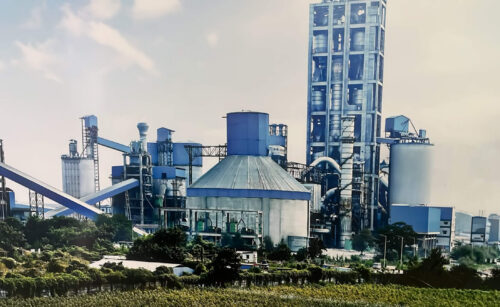
This report identifies pathways for India’s cement industry to decarbonise at a pace compatible with the national climate goal of net-zero emissions by 2070.
Home Energy Reports and Beyond: Meeting the Moment with Behavior-Based Energy Efficiency
Home energy report programs, in which utilities provide households with personalized insights into their energy use and tips to lower their bills, are a…
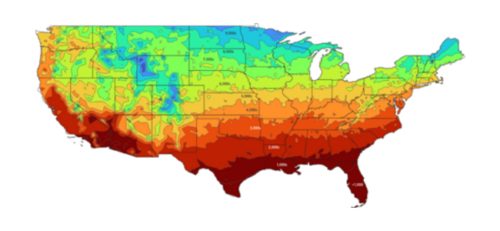
Strategies for Enhancing Resilience and Minimizing Vulnerabilities to Extreme Heat Events
Extreme heat is one of the fastest-growing climate-related hazards in the United States, increasing mortality, straining buildings and energy systems, and amplifying risks for households with limit…
Support the Work That Makes Energy Go Further
ACEEE’s independent research and advocacy depend on the support of foundations, businesses, and individuals committed to cutting energy bills, waste, and climate pollution.