ACEEE | American Council for an Energy-Efficient Economy
Aug 29, 2013
Cryptic Barriers to Energy Efficiency
Much time and effort has been invested in addressing the market barriers that inhibit greater investment in energy efficiency technologies and practices in the buildings sector. In addition to thes…
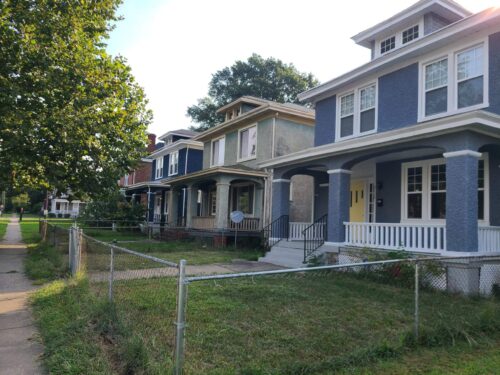
Much time and effort has been invested in addressing the market barriers that inhibit greater investment in energy efficiency technologies and practices in the buildings sector. In addition to these common and well-known barriers (e.g., split incentives, asymmetrical information, higher first costs, etc.), there is a class of barriers that has received less attention. These barriers are cryptic in the sense that they are hidden or unrecognized; they do not stem from the same market failures that have been the subject of extensive study and the target of many policy and program interventions. Cryptic barriers reflect several different underlying problems, including regulatory uncertainty, archaic or legacy regulations, and inaccurate ratings and standards. This report is a first effort to characterize and explore cryptic barriers in some detail. We selected cryptic barrier case studies from the results of a broad survey to identify as many cryptic barriers as possible and start a compendium. Drawing on these cases, the objective of this report is to suggest opportunities for policy actions that could improve residential building efficiency and to propose potential tools to eliminate cryptic barriers.
Bridging the Equity Gap for Utility Energy Efficiency Programs
Utility energy efficiency programs have increased investment in low-income households, but significant gaps remain. This report examines spending and savings trends across 48 major U.S. utilities, identifies barriers to expanding low-income programs and highlights policies and program strategies that can improve energy affordability and equitable access to efficiency upgrades.
Efficiency Saves: Cutting Energy Waste Can Save $31,000 per Household
The United States faces interlocking energy challenges: rising home energy bills and gasoline prices; new demand for electricity from data centers and other loads; high greenhouse gas emissions from burning fossil fuels.
Now, a new era of energy efficiency progress in our buildings, transportation, and industry is needed to meet this moment. This wide-ranging study finds a massive opportunity.
Congress Can Cut Freight Costs and Consumer Prices by Addressing Key Issues in the BUILD America 250 Act
The BUILD America 250 Act, advanced by the U.S. House Transportation and Infrastructure Committee, would eliminate or weaken many programs that help lower transportation …
Maximizing State Transportation Investments: How Redirecting Spending from Highway Expansion to Public Transit Supports Economies and Communities
Costs to deliver transportation projects have risen drastically in recent years. To avoid wasteful spending, each new dollar invested in transportation infrastructur…
Support the Work That Makes Energy Go Further
ACEEE’s independent research and advocacy depend on the support of foundations, businesses, and individuals committed to cutting energy bills, waste, and climate pollution.