ACEEE | American Council for an Energy-Efficient Economy
May 16, 2012
Opportunity Knocks: Examining Low-Ranking States in Energy Efficiency
In recent years, many states have embraced new energy efficiency policies and as a result, investments in energy efficiency programs have been increasing steadily. But a group of about a dozen stat…
Opportunity Knocks: Examining Low-Ranking States in Energy Efficiency
Complete the form to access this resource.
In recent years, many states have embraced new energy efficiency policies and as a result, investments in energy efficiency programs have been increasing steadily. But a group of about a dozen states remains year after year at the bottom of the ACEEE State Energy Efficiency Scorecard. In this report, we describe the results of numerous interviews with policy-makers and policy influencers in the states ranked in the bottom ten of the Scorecard to explore why they have not embraced energy efficiency and to investigate the approaches and policies in the utility sector, the public sector, buildings, and industry that might allow them to get started or accelerate their activities.
After interviewing fifty-five stakeholders, we found a number of barriers both common and unique to the states we examined. Fortunately, energy efficiency does have a foothold in every region of the country, and the policies and programs we recommend are grounded in past experience and success in states similar to those we examined for this report. The recommendations vary in scope and targeted sector, but we focused on low-cost, flexible solutions that made sense given the context of most states we analyzed. We conclude that low-ranking states in the Scorecard should seize the opportunity to tap into an abundant, yet under-utilized resource in energy efficiency, which can contribute to economic development, environmental well-being, and energy security.
Bridging the Equity Gap for Utility Energy Efficiency Programs
Utility energy efficiency programs have increased investment in low-income households, but significant gaps remain. This report examines spending and savings trends across 48 major U.S. utilities, identifies barriers to expanding low-income programs and highlights policies and program strategies that can improve energy affordability and equitable access to efficiency upgrades.
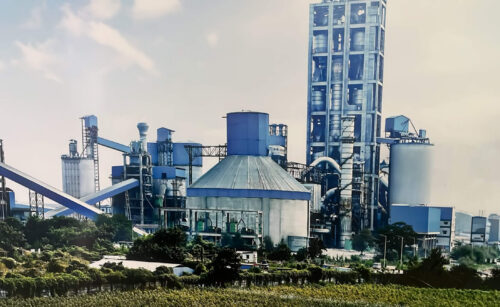
This report identifies pathways for India’s cement industry to decarbonise at a pace compatible with the national climate goal of net-zero emissions by 2070.
Efficiency Saves: Cutting Energy Waste Can Save $31,000 per Household
The United States faces interlocking energy challenges: rising home energy bills and gasoline prices; new demand for electricity from data centers and other loads; high greenhouse gas emissions from burning fossil fuels.
Now, a new era of energy efficiency progress in our buildings, transportation, and industry is needed to meet this moment. This wide-ranging study finds a massive opportunity.
Congress Can Cut Freight Costs and Consumer Prices by Addressing Key Issues in the BUILD America 250 Act
The BUILD America 250 Act, advanced by the U.S. House Transportation and Infrastructure Committee, would eliminate or weaken many programs that help lower transportation …
Support the Work That Makes Energy Go Further
ACEEE’s independent research and advocacy depend on the support of foundations, businesses, and individuals committed to cutting energy bills, waste, and climate pollution.