
Research & Publications for State Policy

Mass Save: Reducing Energy Imports, Enriching Massachusetts Communities
The commonwealth spends almost $11 billion a year buying energy from out of state. Mass Save lowers bills and keeps money at home.
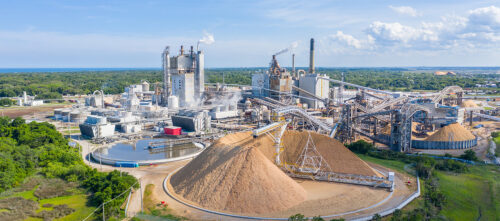
Toward Best Practices for Industrial Innovation: Lessons from the Department of Energy’s Industrial Demonstrations Program
This paper highlights a central lesson for policymakers: Industrial innovation requires alignment across government programs (grants, procurement), financing mechanisms (tax credits, loans), and institutional capacity. When these three are backed by sustained commitment from the public sector, private industry, and external stakeholders, the transition from demonstration to deployment becomes viable.
Unlocking Industrial Electrification in California
California today has more gas-fired industrial boilers than any other state, causing significant climate and air pollution. The California Public Utilities Commission can cut this pollution by upda…

Colorado’s GEMM Phase 2 Facility Draft Plans Public Comments
In September 2025, ACEEE submitted comments to the Colorado Department of Public Health and Environment (CDPHE) on the Colorado Greenhouse Gas Emissions and Energy Management for Manufacturing (GEM…
News & Insights for State Policy

More Manufactured Homes Are Coming. Will Residents Face High Energy Bills?
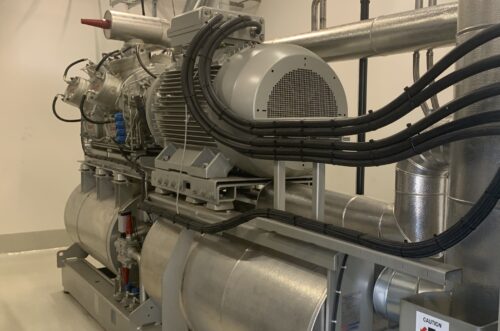
New Map Shows Industrial Electrification Gaining Momentum in U.S.

Industrial Boilers Keep Burning in Areas Exceeding Air Pollution Limits
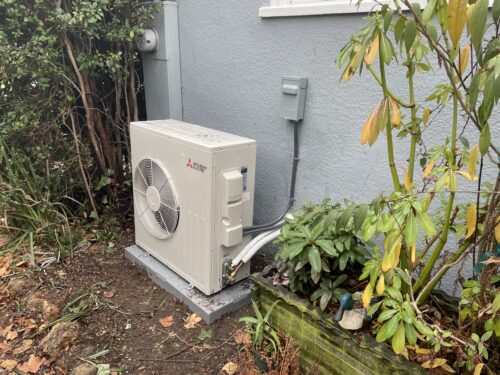
New Electricity Rates Are Needed to Support Equitable Heat Pump Adoption

Support the Work That Makes Energy Go Further
ACEEE’s independent research and advocacy depend on the support of foundations, businesses, and individuals committed to cutting energy bills, waste, and climate pollution.