ACEEE | American Council for an Energy-Efficient Economy
Nov 9, 2011
The State of the Utility Bill
The utility bill is the most common way for utilities to provide information about energy use to their customers, but it is often overlooked both as a way to give customers better control over thei…
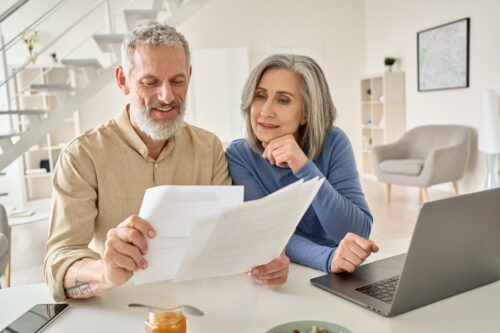
The utility bill is the most common way for utilities to provide information about energy use to their customers, but it is often overlooked both as a way to give customers better control over their energy use and to support utilities’ goals for more actively engaging customers, especially as a part of a smart grid strategy. Even as smart meters and smart phone apps proliferate, the paper bill has the potential to become a cost-effective feedback device with a broad reach.
This report provides a preliminary take on the potential for enhancing the utility bill to provide better indirect feedback to utility customers. Our goals are to present new research on the elements appearing on a sample of 100 current bills, to characterize how these bill elements align with previous research on bill information design, to outline some of the history of bill development, and to understand where the bill might be headed in the future.
We find that the average customer bill does not provide the level of feedback and connection to program resources that it reasonably might, and we offer recommendations for overcoming barriers to improving the bill.
Bridging the Equity Gap for Utility Energy Efficiency Programs
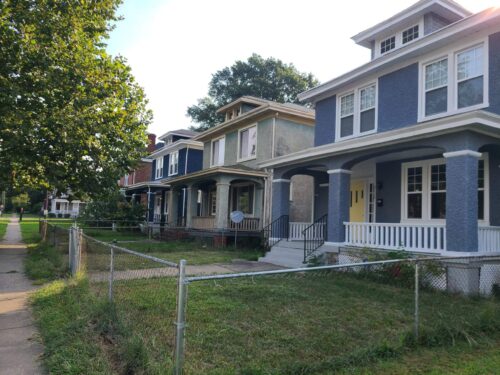
Utility energy efficiency programs have increased investment in low-income households, but significant gaps remain. This report examines spending and savings trends across 48 major U.S. utilities, identifies barriers to expanding low-income programs and highlights policies and program strategies that can improve energy affordability and equitable access to efficiency upgrades.
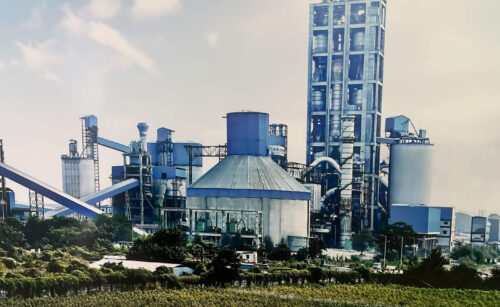
This report identifies pathways for India’s cement industry to decarbonise at a pace compatible with the national climate goal of net-zero emissions by 2070.
Home Energy Reports and Beyond: Meeting the Moment with Behavior-Based Energy Efficiency
Home energy report programs, in which utilities provide households with personalized insights into their energy use and tips to lower their bills, are a…
Strategies for Enhancing Resilience and Minimizing Vulnerabilities to Extreme Heat Events
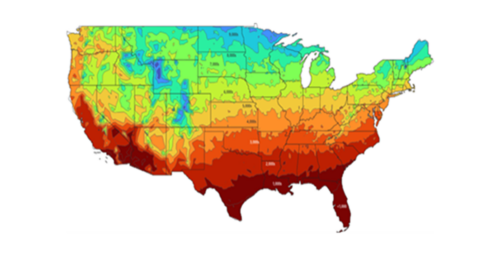
Extreme heat is one of the fastest-growing climate-related hazards in the United States, increasing mortality, straining buildings and energy systems, and amplifying risks for households with limit…
Support the Work That Makes Energy Go Further
ACEEE’s independent research and advocacy depend on the support of foundations, businesses, and individuals committed to cutting energy bills, waste, and climate pollution.