ACEEE | American Council for an Energy-Efficient Economy
Jan 1, 2003
CHP Five Years Later: Federal and State Policies and Programs Update
In the five years since CHP (combined heat and power) emerged onto the policy scene, significant progress has been made in raising the awareness of its benefits and addressing barriers hindering it…
CHP Five Years Later: Federal and State Policies and Programs Update
Complete the form to access this resource.
In the five years since CHP (combined heat and power) emerged onto the policy scene, significant progress has been made in raising the awareness of its benefits and addressing barriers hindering its adoption. However, many of the utility barriers that were identified in an ACEEE report published in 1998, Combined Heat and Power : Capturing Wasted Heat remain to be addressed. This report reviews the current status of CHP at the national and state levels and identifies remaining challenges.
Toward Best Practices for Industrial Innovation: Lessons from the Department of Energy’s Industrial Demonstrations Program
This paper highlights a central lesson for policymakers: Industrial innovation requires alignment across government programs (grants, procurement), financing mechanisms (tax credits, loans), and institutional capacity. When these three are backed by sustained commitment from the public sector, private industry, and external stakeholders, the transition from demonstration to deployment becomes viable.
Bridging the Equity Gap for Utility Energy Efficiency Programs
Utility energy efficiency programs have increased investment in low-income households, but significant gaps remain. This report examines spending and savings trends across 48 major U.S. utilities, identifies barriers to expanding low-income programs and highlights policies and program strategies that can improve energy affordability and equitable access to efficiency upgrades.
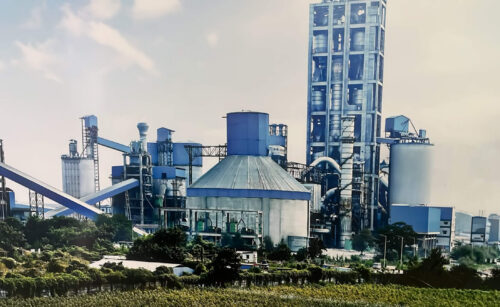
This report identifies pathways for India’s cement industry to decarbonise at a pace compatible with the national climate goal of net-zero emissions by 2070.
Home Energy Reports and Beyond: Meeting the Moment with Behavior-Based Energy Efficiency
Home energy report programs, in which utilities provide households with personalized insights into their energy use and tips to lower their bills, are a…
Support the Work That Makes Energy Go Further
ACEEE’s independent research and advocacy depend on the support of foundations, businesses, and individuals committed to cutting energy bills, waste, and climate pollution.